

Battery Engineering
Go beyond just powering devices. Be the innovator who revolutionizes energy storage and sustainability.
About Battery Engineering
The 21st century presents a formidable challenge: ensuring access to sustainable and renewable energy. Electrochemical energy storage, particularly batteries, is at the forefront of this challenge.
Through an interdisciplinary approach, the program delves into the efficiency and safety of emerging battery materials, covering the entire battery value chain.
Students will deepen their foundational knowledge in material sciences with a specialized focus on batteries, preparing them for promising careers in both industry and research.
Our Team
Join our elite team of experts, researchers and industry professionals

Mr. VVN Ravi Kumar
Director, CoE Battery Engineering
Leading Battery Engineering research and innovation at Atria University.

Dr. Nishchith B S
Assistant Professor
Specializing in battery materials and electrochemical energy storage research.

Dr. Homen Lahan
Research Scientist
Focusing on advanced battery characterization and novel energy storage solutions.
Facilities & Offerings
Material Synthesis Facilities
Our material synthesis lab is equipped for material processing, nanomaterials and electrode material development, and safe handling of chemicals. Key equipment includes hot air and vacuum ovens, a split tube furnace, muffle furnace, sonicator (bath and probe), magnetic stirrer, ball milling, centrifuge, and fume hood.
Electrode Fabrication Facilities
Built for slurry preparation and coating, electrode cutting and shaping, and high-precision electrode assembly support. Equipment includes a doctor blade, crimping machine, and disc cutter.
Cell Assembly Facilities
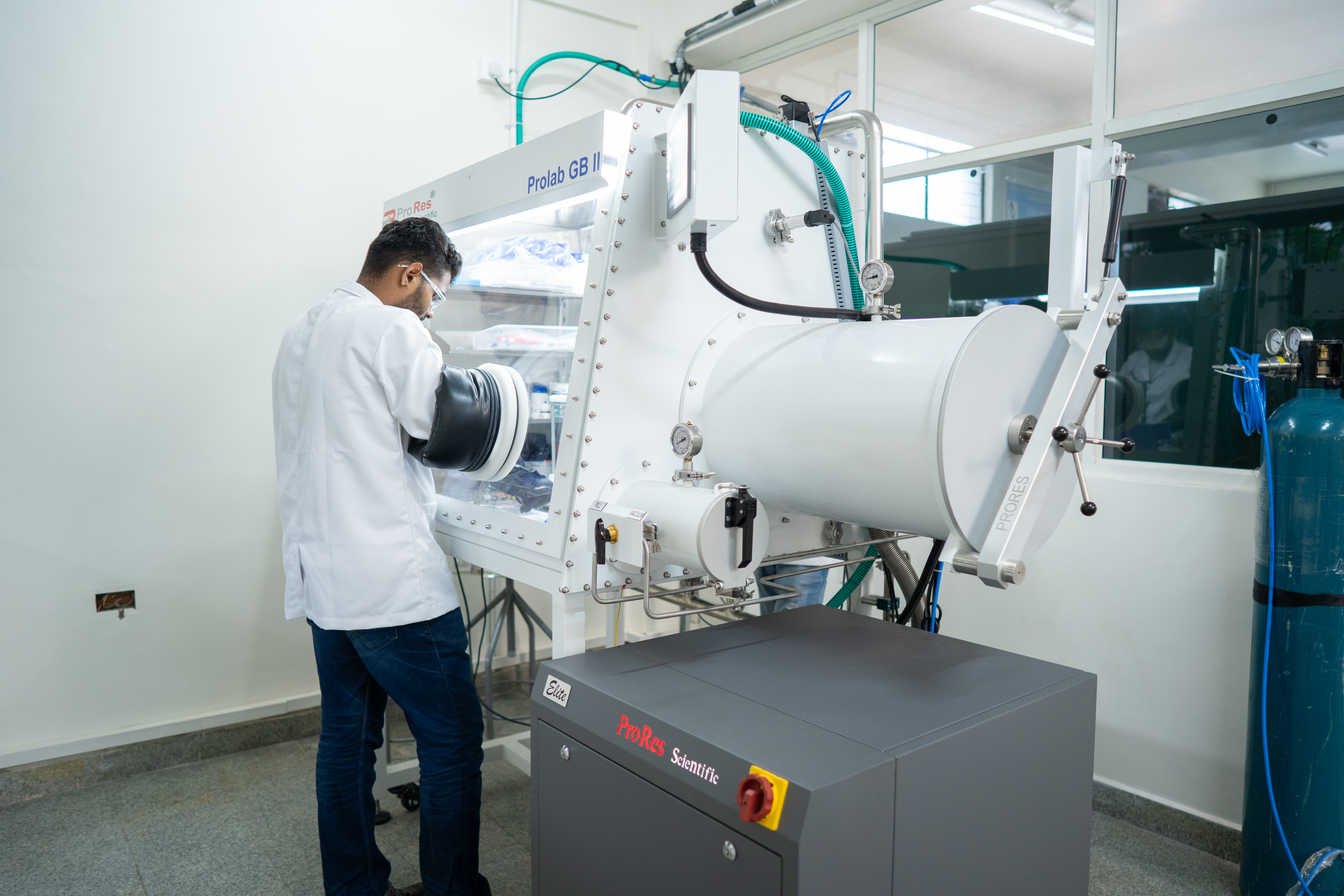
A moisture and oxygen-free environment for safe, precise cell assembly across a wide range of formats, including coin and pouch cells. Our glove box (argon atmosphere) supports two people working simultaneously, enabling efficient electrode handling and cell assembly.
Battery Testing & Electrochemical Characterization
Testing across Charge-Discharge (GCD), Cyclic Voltammetry (CV), Electrochemical Impedance Spectroscopy (EIS), and GITT. Equipped with multiple battery testers (up to 30A, 8 channels, with temperature data acquisition) and an electrochemical working station.
Lab as a Service (LaaS) Model
Our LaaS model gives industries, startups, and researchers flexible, on-demand access to our infrastructure and expertise, without the capital investment of building an in-house lab. Engage through project-based work, contract research, or customised collaboration built around your specific research and development needs.
Certificate Courses
Beyond lab access, we offer certificate courses in Energy Storage Systems, designed to build applied, hands-on expertise in battery technology and electrochemical research for students, professionals, and industry partners alike.
Research Areas
Novel Battery Materials
Advanced Characterization Techniques
Multiscale Modeling
Sustainable Battery Technologies
Bio-waste Energy Storage
Fast Charging Solutions
Cost-efficient Battery Materials
Strategic Industry Partnerships
Our Centre of Excellence (CoE) in Battery Engineering collaborates with leading industry partners to strengthen applied research, testing, and talent development.
Musashi India (MTEC)
Musashi India has established the Musashi Technology Excellence Centre (MTEC) at the Atria University campus, focusing on R&D, testing, and rapid prototyping of advanced energy storage and e-mobility technologies.
Ather Energy
The CoE's Battery Lab supports testing and analysis of Ather's EV battery cells, generating revenue and hands-on learning. A paid internship program is in place for final-year E-Mobility students.
SUN Mobility
SUN Mobility, a leading energy and battery-swapping solutions provider, is a strategic partner for advanced battery testing and collaborative research.
The WE Lab (Water Energy)
Prof. Hadas Mamane passion and mission is to develop sustainable technologies We integrate, research, diversify, adapt, dream and connect to the global crisis
Latest Insights
Explore our latest articles on sustainability, clean energy, and green innovation
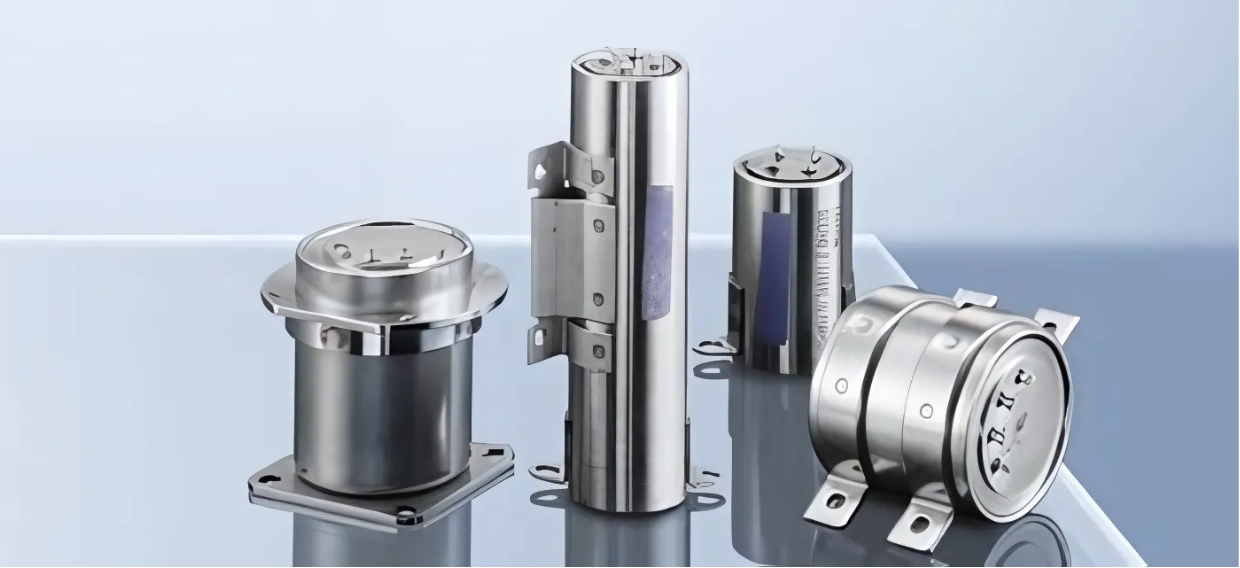
Introduction to Thermal Batteries
Thermal batteries are primary reserve batteries. The term "reserve" refers to the solid, inert, and non-conductive state of the electrolyte at storage temperature.

Introduction to Torpedo Batteries
Torpedo batteries are reserve batteries — inert until activated. Built for maximum energy density and minimum weight.
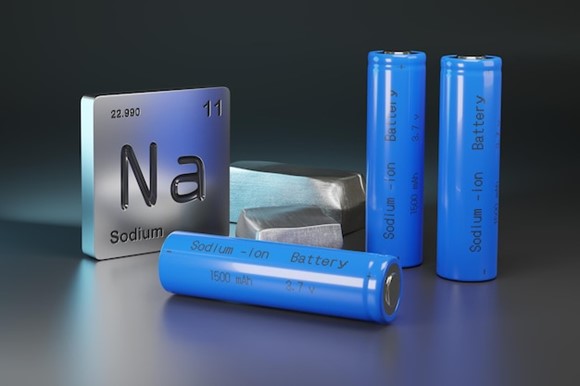
Sodium-Ion Batteries: The Next Frontier in Energy Storage
Sodium-ion batteries were first explored back in the 1970s

Join Us
Join us at the Centre of Excellence in Battery Engineering at Atria University, where knowledge transforms into tangible solutions for a sustainable future.