
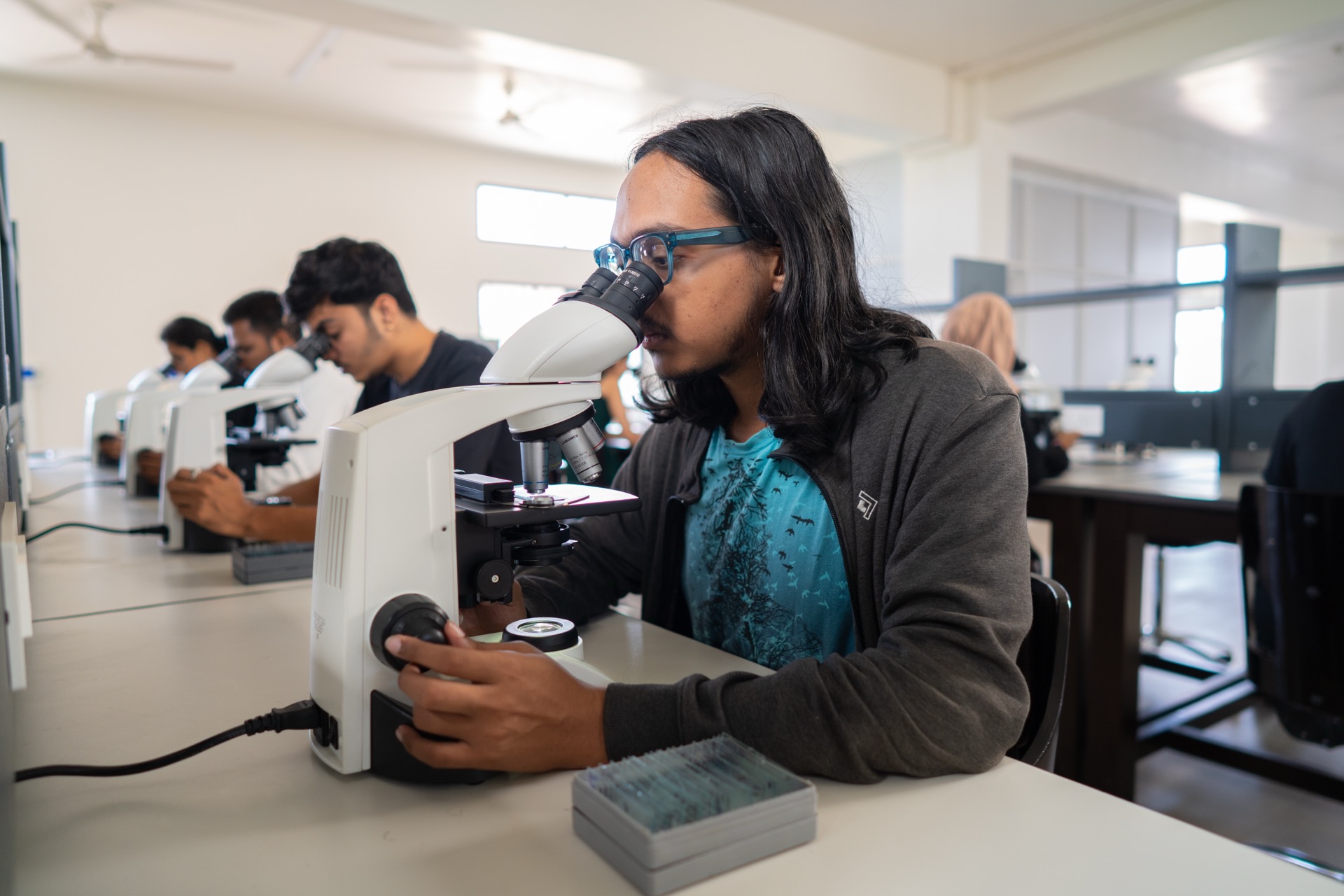
Life Sciences
Move beyond understanding the building blocks of life. Become a Biosciences researcher, Biotech entrepreneur, or Healthcare innovator. Pursue an MS by Research or PhD in Life Sciences at Atria University.
OUR TEAM
World-class experts driving progress in Life Sciences
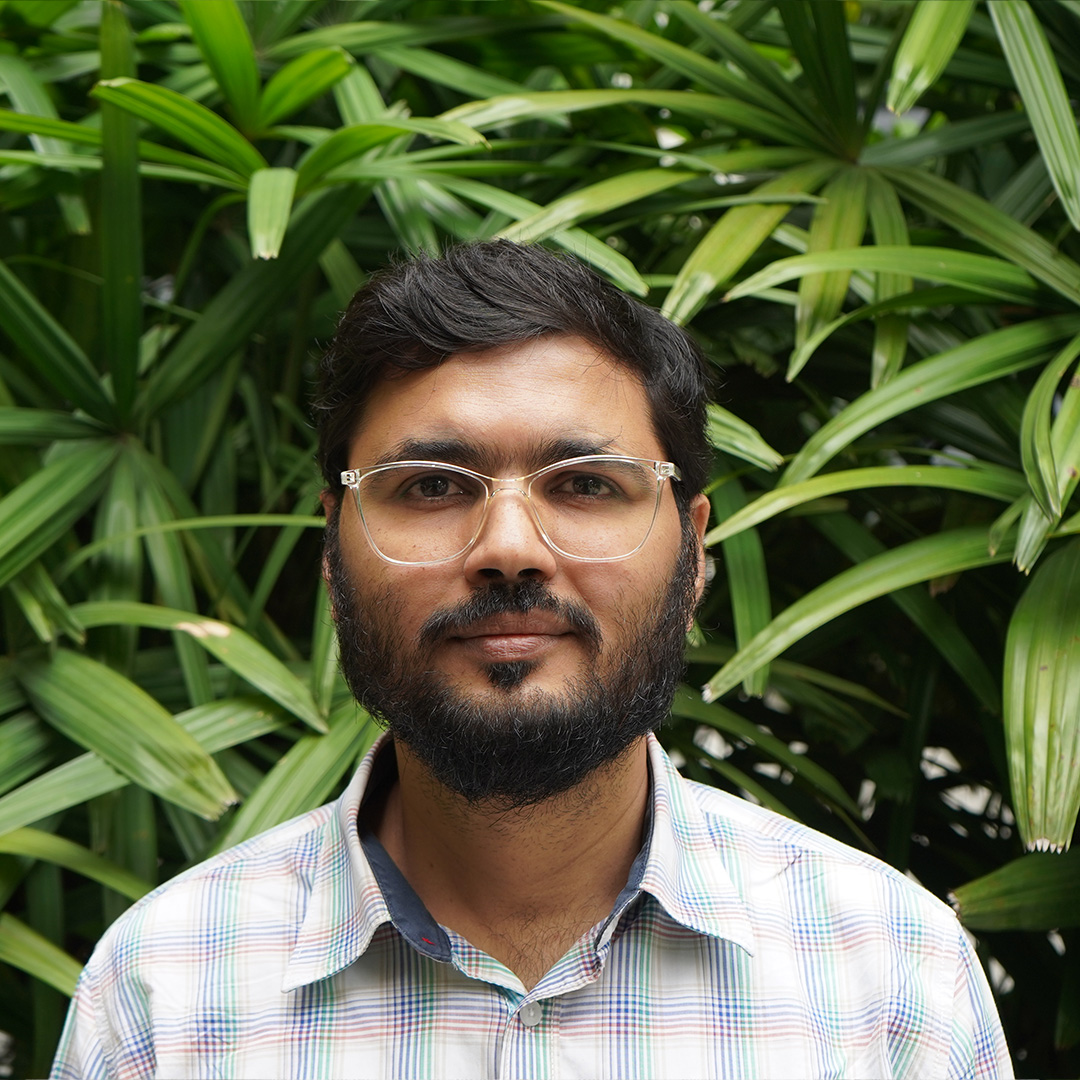
Dr. Saurabh Mahajan
Head, CoE Life Sciences
Dr. Saurabh Mahajan is an Associate Professor of Biology and heads the Atria Centre of Excellence in Life Sciences at Atria University.
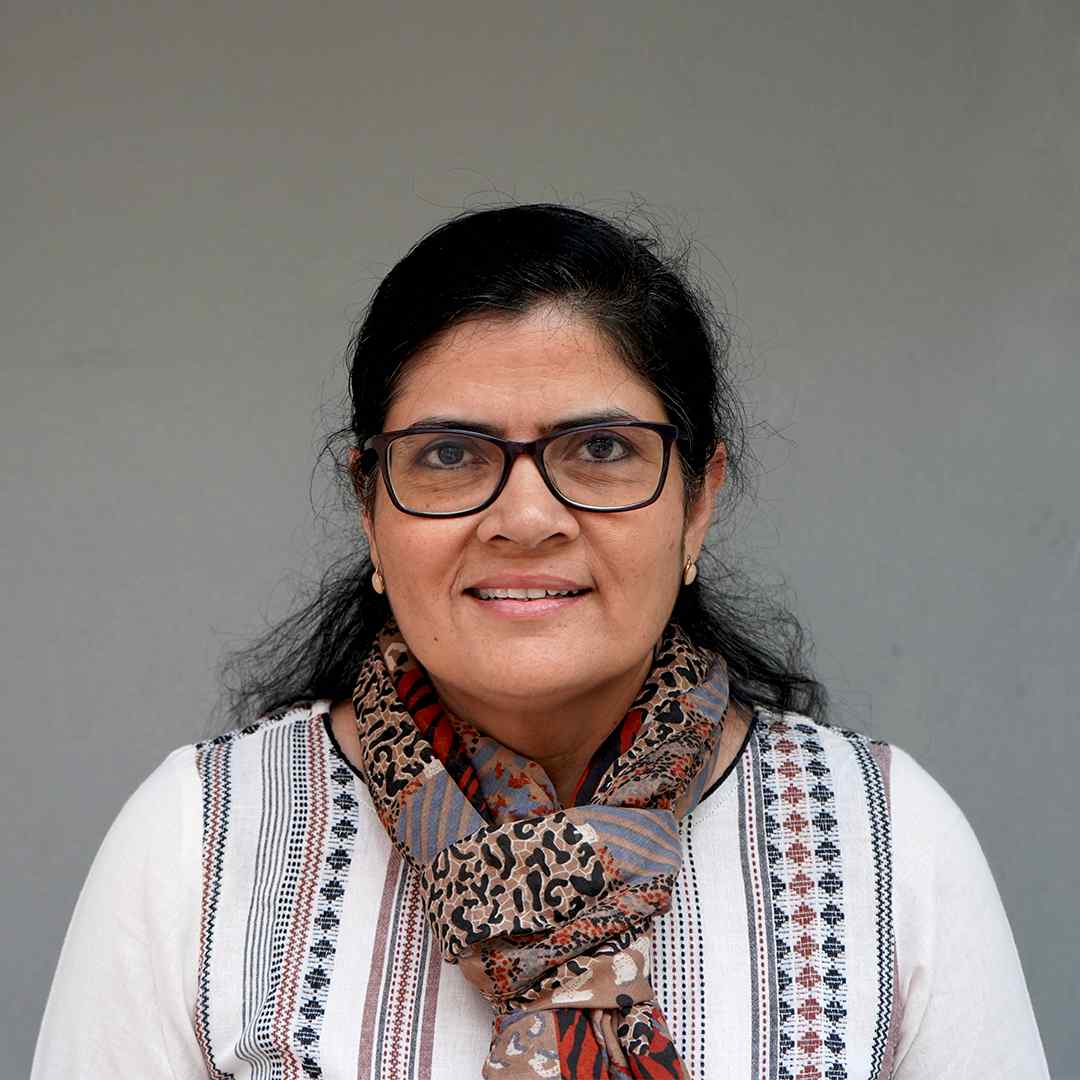
Dr. Sudha Warrier
Professor and Program Director, Life Sciences
Ph.D. in Reproductive Biology (University of Madras) | Postdoctoral training at Duke University (Molecular Biology) and Medical College of Ohio (Cardiovascular research )
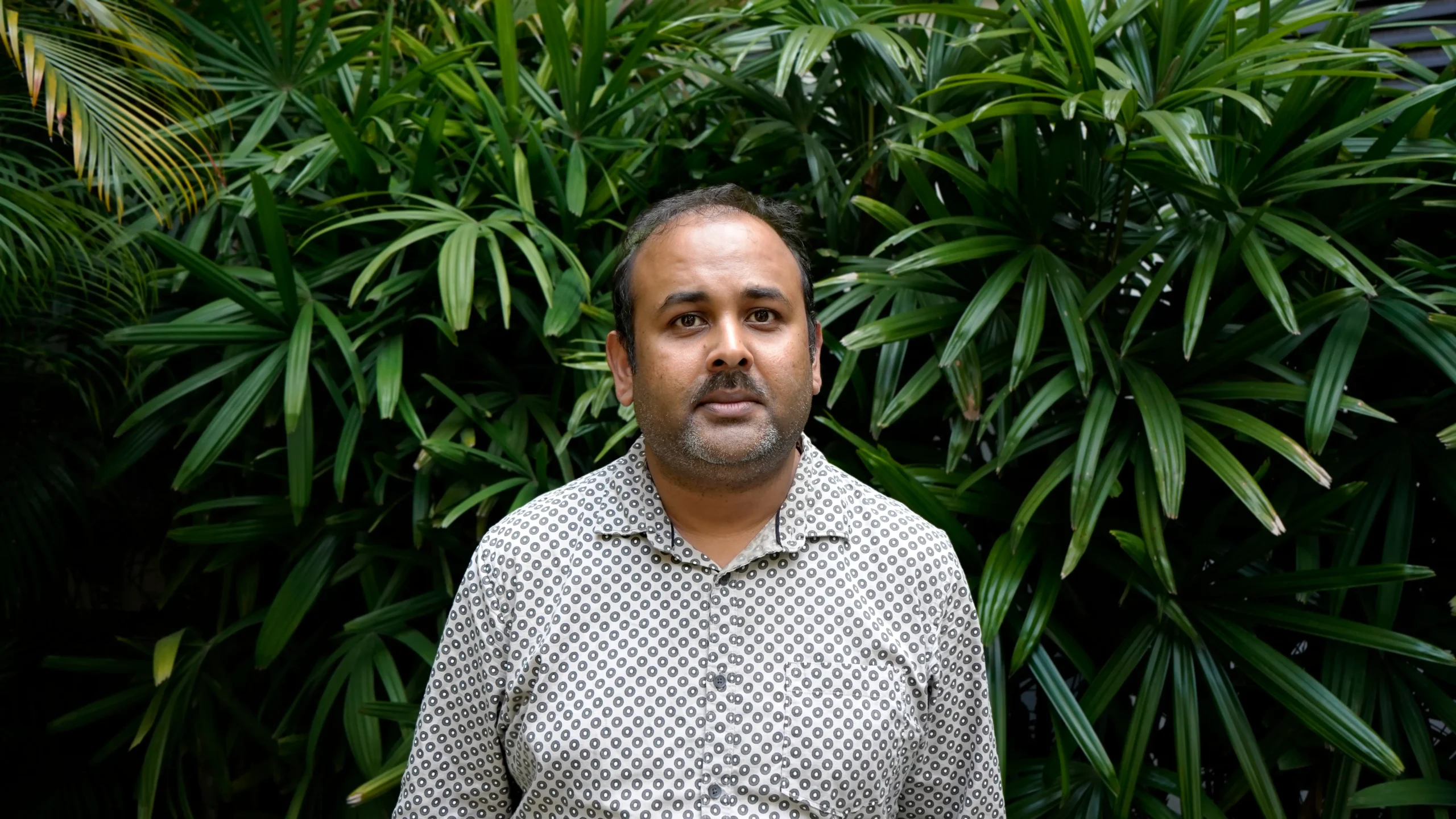
Dr. Abhishek Sinha
Associate Professor - Life Sciences
Dr. Abhishek Sinha is an accomplished microbiologist and serves as an Associate Professor in Life Sciences.

Dr. Upasana Mohapatra
Assistant Professor- Life Sciences
Dr. Upasana Mohapatra, a specialist in Agriculture and Plant Science, boasts expertise that spans Biochemistry, Genetics, Biotechnology, Molecular Biology, and Hydroponics
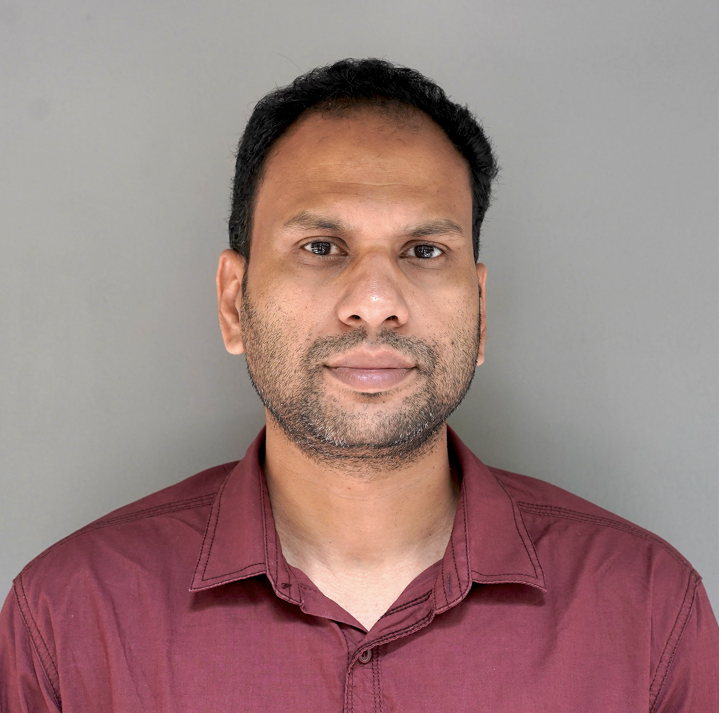
Dr. Balamurali G. S
Associate Professor, Life Sciences
Dr. Balamurali G. S. is an Associate Professor at Atria University with expertise in microbiology, animal cognition, and evolutionary biology.
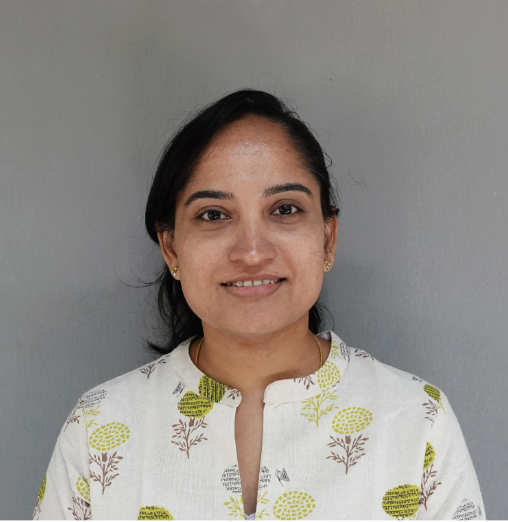
Dr. Asha Velayudhan Nair
Associate Professor, Life Sciences
Dr. Asha Velayudhan Nair is an Associate Professor at Atria University specializing in antimicrobial resistance, drug delivery systems, and biofilm-mediated resistance.
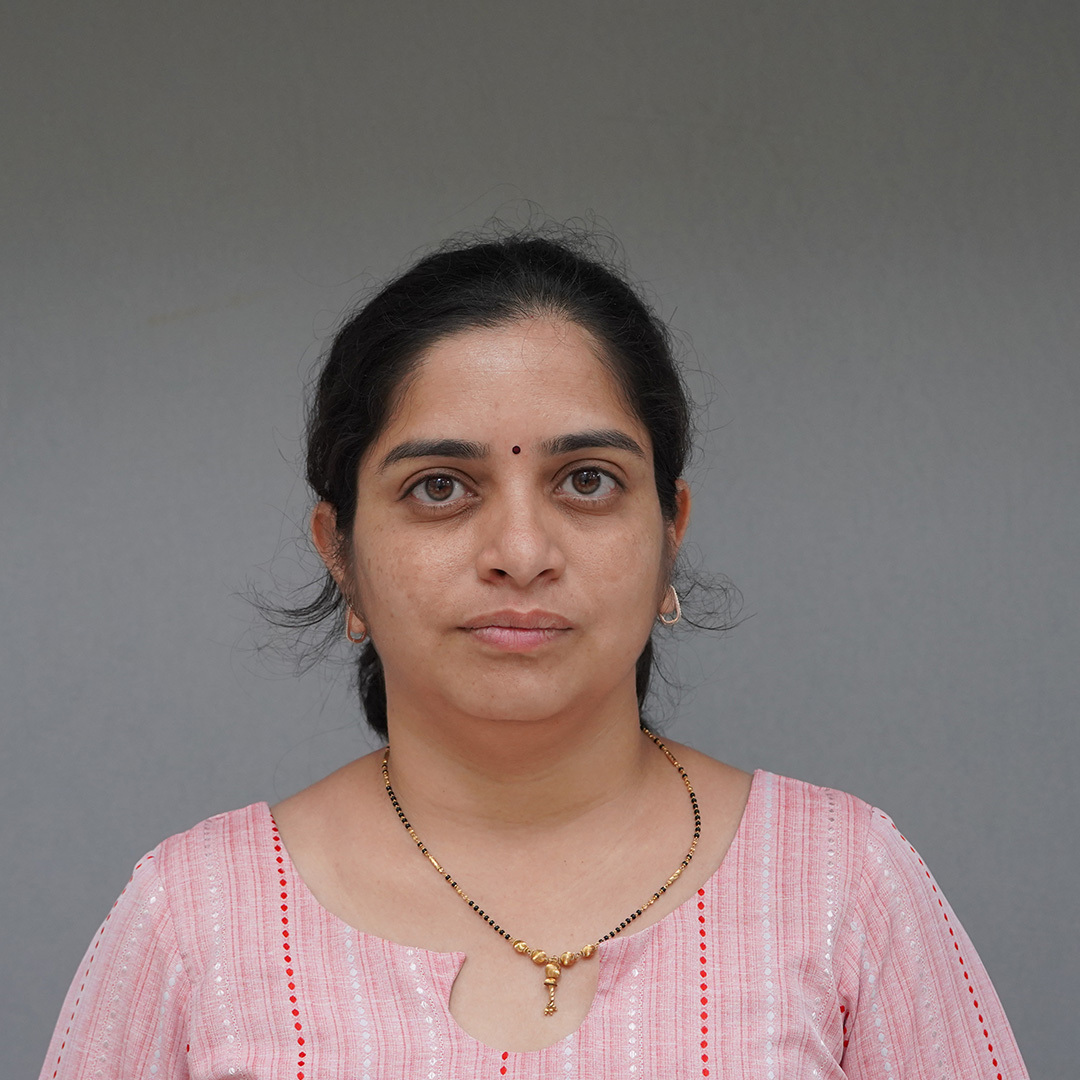
Dr. Dhruti Patwardhan
Assistant Professor, Life Sciences
Dr. Dhruti Patwardhan is an Assistant Professor at the Centre of Excellence for Life Sciences at Atria University and a member of SynbioHub, where they lead the development of a platform integrating curated AI models for synthetic biology.

Dr. Kristi Kabyashree
Assistant Professor, Life Sciences
Dr. Kristi Kabyashree serves as an Assistant Professor in the Department of Life Sciences at Atria University.
Our Postgraduate Programmes
MS by Research
Duration
2 Years
Stipend
If a candidate is assigned to any sprint delivery or engaged as a Project/Teaching Assistant, a stipend of ₹18,000 per month shall be paid.
Fees
First Year: ₹75,000* | Second Year: ₹1,25,000**
PhD Programme
Duration
3 years (Full-time) and 4 years (Part-time)
Stipend
A stipend of ₹38,000 per month shall be provided only to Full-time PhD scholars, subject to the University's applicable terms and conditions.
Fees
₹50,000 per year
Eligibility Criteria
PhD Programme
For candidates seeking to lead original research in Life Sciences, Biotechnology, or Environmental Science.
- Master's degree (M.Sc / M.Tech / MCA or equivalent) in Life Sciences, Biotechnology, Biochemistry, or related field with minimum 60% marks
- Valid GATE / UGC-NET / CSIR-NET / DBT-JRF score preferred
- Research proposal submitted at time of application
- Interview with the Life Sciences faculty committee
Master's Programme
For graduates seeking advanced specialisation in Life Sciences and Biotechnology.
- B.Sc / B.Tech in Life Sciences, Biotechnology, Chemistry, or related field with minimum 60% marks
- Valid GATE score (preferred but not mandatory)
- Statement of purpose highlighting research interests
Research Areas
Explore our diverse research domains in Life Sciences
Molecular Biology & Genomics
Genetic mechanisms, gene expression, and molecular diagnostics.
Biotechnology & Bioinformatics
Computational biology, genome analysis, and data-driven life sciences.
Environmental DNA (eDNA)
Non-invasive biodiversity monitoring and ecosystem health assessment.
Biochemistry & Metabolomics
Metabolic pathways, enzyme kinetics, and biochemical profiling.
Cancer Biology
Oncology research, phytochemical therapeutics, and cell signalling.
Sustainable Agriculture
Plant biotechnology, soil microbiome, and food security solutions.
Neuroscience & Proteostasis
Protein homeostasis, neurodegeneration, and molecular markers.
Climate & Ecosystem Science
Climate resilience, ecological sustainability, and conservation biology.
Events
Engaging Symposiums and Conclaves
Join us for groundbreaking events that bring together researchers, practitioners, and stakeholders to address critical challenges in life sciences and environmental sustainability.
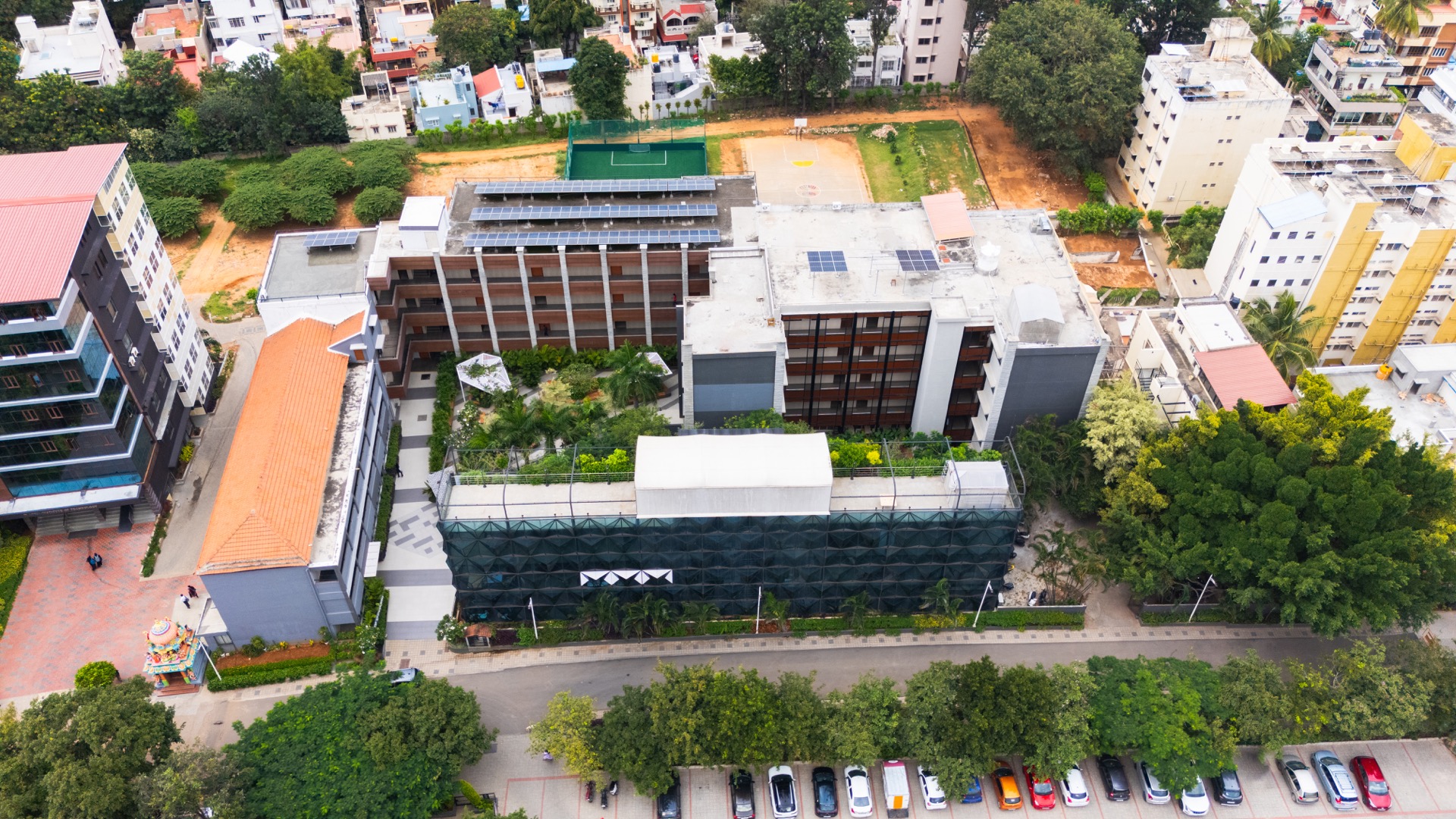
Life Sciences Research Conclave 2024
An annual gathering of leading researchers, clinicians, and industry experts to showcase cutting-edge research in biotechnology, molecular biology, and environmental science. The conclave featured keynote addresses, panel discussions, and student research poster presentations.
TAKE THE NEXT STEP
Take the Next Step Forward
Become a part of the Life Sciences CoE at Atria University, where knowledge transforms into real-world solutions. Join researchers, innovators, and educators shaping the future of biotechnology and environmental science.